
Zimbabwe: Driving climate justice through horticulture in ward 14, Bubi district

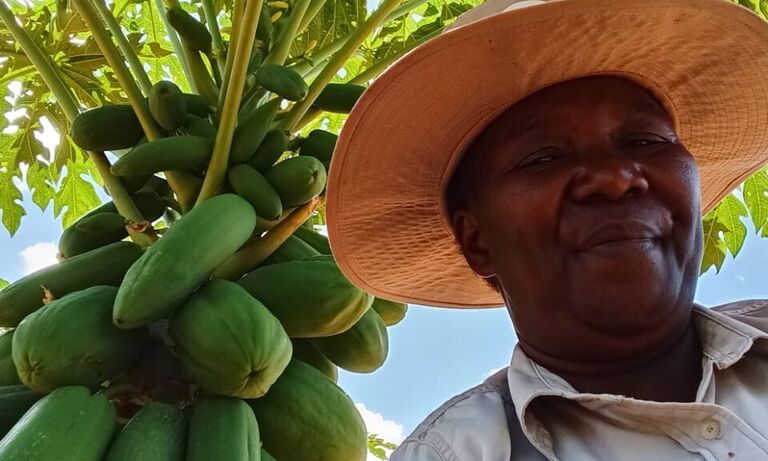
As one of the directors of the Global Women in Mining Empowerment Trust (GWIMET), I have watched our community transform barren landscapes into flourishing fields, and marginalised women into confident, economically independent leaders.
GWIMET was founded to respond to a deep, urgent need: environmental degradation, unemployment, and the persistent vulnerabilities faced by women in mining communities. Ward 14 bore the scars of land degradation, including rapidly expanding gullies that threatened homes, grazing land, and local livelihoods. Unemployment was high, especially among women and young girls, many of whom were also experiencing gender‑based violence fuelled by dependency and poverty. Farmers lacked knowledge on seasonal planting, soil care, and sustainable food production. Climate change was already tightening its grip.
We saw an opportunity for change—one rooted in environmental restoration, climate‑smart agriculture, and the economic empowerment of women. It began with a simple yet powerful approach: safe, climate‑friendly horticulture and fruit farming that prioritised the wellbeing of both people and the environment. Our goal was to restore the land, create employment, and foster community‑wide capacity in sustainable farming.
Growing Hope From the Soil
The change that followed has been profound. By planting fruit trees and seasonal vegetables on degraded gullies, we were not only rehabilitating the land—we were protecting it. The roots stabilised the soil, slowing down erosion and preventing further degradation. What were once deep, expanding gullies began to transform into productive strips of green. Environmental sustainability became something the community could see, touch, and harvest.
As the gardens grew, so did opportunities for women and young girls in the ward. Employment—both casual and permanent—brought income, independence, and dignity. For many young women, their first job through this project enabled them to meet their monthly needs, including sanitary wear, without depending on partners or family. With growing economic independence came a marked reduction in gender‑based violence. Women who once felt powerless began contributing to household income and decision‑making.
The ripple effects spread quickly. Our produce—fruits, vegetables, sugar beans, papaya, avocado, oranges, blueberries—entered markets as far as Bulawayo. This expanded income for the organisation and the community, creating a mutually supportive value chain between farmers, suppliers, and local markets. Every season brought more crops, more skills, and more hope.
How the Transformation Began
Our journey started on a small plot of land, but demand for fresh produce and environmental rehabilitation grew rapidly. As the vision expanded, so did our partnerships. We worked with Agritex extension officers, conservation agriculture trainers, and stakeholders who introduced the community to Integrated Water Resource Management. We introduced drought‑tolerant crop varieties, climate‑smart agriculture practices, and regular capacity‑building workshops.
Continuous monitoring allowed us to evolve. Farmers learned which varieties thrive as climate patterns shift. Market research strengthened our relationships with buyers, ensuring that the community’s produce remained profitable and competitive. Environmental monitoring, conducted with support from authorities, ensured that our interventions aligned with long‑term ecological health.
This dedication is visible in our numbers. Last year we had 200 orange trees; today we have 300. We have planted 30 avocado trees, several papaya trees now ripe for harvest, blueberries, soursop trees, and a variety of vegetables that ensure year‑round yields. Employment has diversified livelihoods, strengthened resilience, and enhanced economic security for households previously reliant on uncertain income.
Sustaining and Scaling Up the Change
For this change to endure, GWIMET is committed to continuous monitoring and evaluation. Climate‑smart farming requires constant adaptation—new varieties, new planting cycles, and new approaches to managing changing rainfall patterns. Skills training remains central to our sustainability strategy, as does community sensitisation to keep local residents engaged and empowered.
Our growth strategy is already unfolding. We have been allocated land in Ward 22, where we will replicate the successes of Ward 14. Over the next two years, we project significant expansion across Bubi District, increasing both our environmental impact and employment capacity.
Evidence of Transformation
The transformation is visible not only in our fields but in the lives and faces of those who work them. A video documenting Ward 14 shows sprawling green fields, rows of thriving fruit trees, and previously degraded land brought back to life. It shows women and youth actively leading reforestation efforts—planting, watering, nurturing, and harvesting. These images tell a powerful story of environmental recovery, community pride, and strengthened livelihoods.
The footage also captures the human impact: people earning an income, gaining new skills, and becoming climate‑conscious leaders in their community. This evidence affirms that our interventions are working—and that the empowerment of women can, indeed, drive sustainable environmental change.
By: Nomuhle Ncube
Comments
Related Drivers Of Change