Zimbabwe: Agrarian reform programme transforming rural education and community livelihoods

A Story of Change
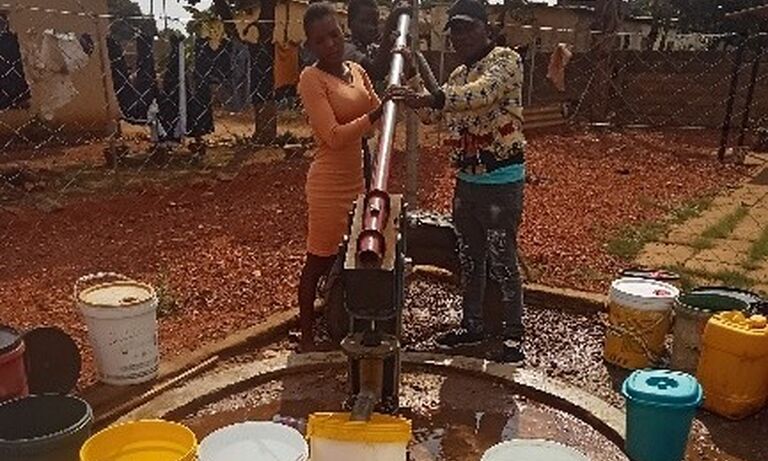
In Rimuka, a high‑density suburb in the City of Kadoma, water scarcity is more than an inconvenience, it is a defining force shaping the daily lives of women, girls, and the broader community. For years, unpredictable water supply schedules, silent municipal systems, and unverified infrastructure failures left residents in a cycle of uncertainty. Days could pass without a single drop from the taps. For women and girls in particular, the crisis carried heavy consequences: hours spent queuing for water, missed school time, increased exposure to disease, and the erosion of opportunities for learning and economic activity.
As Junior Mayor of Kadoma, Thulani T. Mahambire witnessed the burden firsthand. Beyond its physical toll, the water crisis was deepening inequality and undermining the aspirations of young people, especially girls. Standing at the intersection of youth leadership and lived community realities, he knew something had to change. That conviction sparked the birth of the Aqua‑Equity Project, a youth‑led, digital monitoring initiative designed to bring transparency, accountability, and gender equity to water service delivery.
The project is rooted in a simple but powerful idea: when young people use technology to generate real‑time data, municipal systems must respond. This idea would soon reshape the dynamics of local governance in Rimuka.
From Silence to Accountability
Before the Aqua‑Equity Project, water service communication in Kadoma was largely broken. Residents depended on rumours, inconsistent notices, or word‑of‑mouth to know when water might be available. Reports of burst pipes, damaged boreholes, or unexplained shutdowns were common but unverifiable. The result was a cycle of frustration, distrust, and inefficient municipal response.
The Aqua‑Equity Project broke this cycle by introducing a youth-led, real-time digital monitoring network. Thulani mobilised and trained a diverse team of Youth Digital Monitors equipped with simple mobile tools, geolocation mapping, and digital reporting forms. Together, they began documenting water infrastructure issues with precision, geo‑tagged evidence, severity ratings, and gendered impact assessments. Suddenly, vague complaints transformed into data. Unverified claims became digital records. And silence became an evidence-based dialogue.
This shift had immediate and far‑reaching effects:
Women and girls benefited first
With faster repairs and clearer communication, they spent less time queuing for water and more time on schoolwork, family responsibilities, and income‑generating activities. For many, it marked a reclaiming of time, and dignity.
Youth stepped into meaningful leadership
No longer passive recipients of flawed services, they became active co‑creators of solutions. Their digital literacy, civic engagement, and leadership expanded significantly.
The City Council gained an accountability partner
With reliable data, the Engineering Department could target repairs more effectively, reduce wastage, and shift from reactive to proactive maintenance. The feedback loop between residents and the Council grew stronger, supporting Kadoma’s vision for a Smart Service Sanctuary by 2030.
As one young resident, Nomsa M shared: Before the Aqua‑Equity Project, I spent hours every day queuing for water. Now, I have more time for schoolwork and helping my family, and the taps are almost always working.
How the Change Happened: The project unfolded in three deliberate phases.
Phase 1: Mobilisation and Training
Thulani began by recruiting a gender-balanced team of youth monitors. Through hands‑on training, these monitors learned to document water infrastructure issues with accuracy and consistency. They assessed each issue’s severity, captured location data, and recorded the impact on women and girls.
Phase 2: Data‑Driven Advocacy
Geo‑tagged reports were compiled into Digital Water Service Scorecards presented publicly at Town Hall meetings and Junior Council sessions. These scorecards forced evidence-based conversations and shifted interactions from blame to problem‑solving. For the first time, the Council had reliable community‑generated data driving policy recommendations.
Phase 3: Establishing the Feedback Loop
The Council’s formal buy‑in marked a turning point. A structured digital feedback loop was created, requiring the Council to receive youth reports directly and publicly announce repair timelines. This institutionalised the partnership, ensuring consistency even beyond leadership transitions.
The results were measurable and transformative:
- 40% reduction in repair response time
- 25% decrease in full water shutdowns
- Adoption of youth scorecard data as a Key Performance Indicator for the Engineering Department
- Increased trust and improved public discourse in community spaces
The shift was not just technical—it was cultural. The relationship between the community and the Council began evolving toward transparency, responsiveness, and shared responsibility.
Sustaining and Scaling the Change
To ensure long‑term success, the Aqua‑Equity Project focuses on institutionalisation and expansion.
1. Institutionalisation
- A proposed MOU will formalise the partnership between the Junior Council and the City Engineering Department.
- Budget advocacy aims to secure dedicated funds for monitoring.
- Schools will integrate youth‑led digital accountability into civic education, ensuring a steady pipeline of trained monitors.
2. Scaling Up
The project plans both geographical and thematic expansion:
- Geographical: Replicating the model across all high‑density suburbs in Kadoma.
- Thematic: Extending monitoring to sanitation, waste management, and other gendered service delivery areas under a broader Smart Service Monitoring framework.
As Thulani himself reflects: The Aqua‑Equity Project shows that young people can lead change. By collecting real data, we are making Kadoma a smarter, fairer city for women and girls.
By: Thulani T. Mahambire
Comments
Related Drivers Of Change