Zimbabwe: Building community from the ground up in

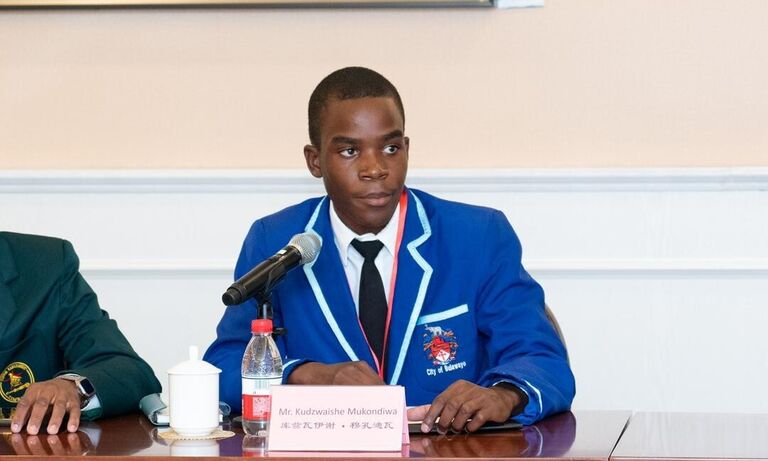
In my community, one of the biggest gaps was the absence of an inclusive youth engagement platform. Young people under 21 had no space to meet, express themselves, or meaningfully participate in local governance. Existing platforms were limited to those above 18 and often shaped by political divisions, leaving younger voices unheard and disconnected. Many young people felt isolated, frustrated, and invisible—yet they carried powerful ideas and aspirations for change.
Seeing this, I decided to act. I founded the first‑ever youth platform in Mbundane—a safe, apolitical, and inclusive space where young people of all identities and backgrounds could gather, reflect on shared challenges, and collectively explore solutions. For the first time, youth in our community had a place that truly belonged to them.
The initiative quickly proved its importance. It restored a sense of belonging among young people who were previously confined to digital interactions and had no physical community hub. It allowed us to build bridges between schools, neighbourhoods, and social groups. Our ward councillor celebrated the effort online, and the elders of Brethren In Christ Church (BICC)—who hosted our first meeting—commended the initiative for bringing hope, direction, and unity to a generation often stereotyped as disengaged.
The platform was designed to address the lack of inclusive youth engagement, promote participation in local governance, and ensure young people had a seat at the decision‑making table. Its core objective is clear: create a voice, build a community, and shift power to young people.
The Change
The most significant change that has emerged is the creation of an organised, youth‑led platform where young people under 21 can meet safely and speak freely. Before this effort, no such space existed. There was no forum for young people to discuss issues affecting their lives—whether related to education, unemployment, drug abuse, mentorship, or community safety.
Our first-ever official youth meeting was a powerful turning point. Young people from different backgrounds sat together for the first time to share their stories, dreams, and concerns. The discussions were honest and emotional. Many expressed how refreshing it felt to be part of something bigger—to be seen, heard, and taken seriously.
This new sense of belonging has shifted how young people view themselves and their role in community development. The initiative gave us:
- Confidence — knowing our voices are valued.
- Identity — recognising ourselves as active citizens, not passive observers.
- Unity — bridging differences and building collective strength.
Most importantly, it proved that youth are ready to lead when provided with an enabling space.
How the Change Happened
The change began with a simple but powerful realisation: young people in Mbundane needed a space of their own.
As a youth leader and public servant within the Junior Council, I spent time speaking to my peers and listening to their frustrations. The disconnection was clear. Many felt overlooked, discouraged, and excluded from platforms dominated by older youth or political interests.
I approached my colleague from BJCC to share the idea, and their support affirmed the need to act. We then reached out to BICC, who generously offered their premises for the meeting. Their support added legitimacy and provided a trusted environment for young people to gather.
Our ward councillor amplified the initiative online, encouraging participation across the community. When the day finally came, the energy in the room was electric. We talked, we listened, we planned—and we realised that this was the beginning of a new chapter for Mbundane’s youth.
Sustaining and Scaling the Change
To ensure this initiative grows sustainably, we are laying a strong foundation based on consistency, structure, and partnership.
After the examination period, we plan to resume regular youth meetings at BICC or other accessible venues. A dedicated organising committee—made up of motivated young people—will coordinate events, keep attendance records, and maintain communication with members.
To strengthen continuity:
- We have created a WhatsApp group, with plans for additional digital platforms.
- We are deepening partnerships with churches, schools, and community organisations.
- We aim to build stronger relationships with local leaders who value youth participation.
Looking ahead, we hope to inspire neighbouring communities such as Rangemore and Lovendale to establish similar youth‑driven platforms. With time, we envision a citywide youth movement that empowers young people as leaders, innovators, and active citizens contributing to Bulawayo’s development.
Evidence of Change
The clearest evidence of this transformation is the successful hosting of Mbundane’s first-ever inclusive youth meeting—an unprecedented milestone. Attendance records and participant testimonies affirm the need, impact, and excitement this initiative generated.
Participants expressed relief at finally having a safe, welcoming environment to discuss pressing issues such as:
- unemployment
- drug abuse
- exclusion from decision‑making
- need for mentorship and guidance
Elders from BICC praised the initiative for offering hope and structure to the younger generation. Young people continue to ask when the next meeting will be held—a powerful indicator of commitment, ownership, and collective desire for sustained engagement.
Our ward councillor’s public endorsement further validates the initiative’s relevance and its growing recognition by local leadership.
Even at this early stage, the signs are clear: a new youth movement has begun. One built on unity, purpose, and the belief that young people must shape their own future.
By: Kudzwaishe Mukondiwa
Comments
Related Drivers Of Change