
Zimbabwe: A young voice rises – championing education and sanitation in Silobela

Buhle Moyo, a dedicated and articulate learner at Fatima High School, serves as the elected Child Councillor for the ward. She represents the voices of children who are often excluded from community planning and holds a rare ability to connect youth issues directly with local governance structures.
Buhle’s leadership emerged from a crisis affecting the daily lives of learners, particularly adolescent girls. Fatima High School had long struggled with deteriorated, unsafe, and unhygienic sanitation facilities. Overcrowded, non‑private toilets caused discomfort, absenteeism, and significant risks to girls’ health and dignity. For many, the lack of safe toilets meant missing school for days every month. At the same time, young people across Ward 21 felt disconnected from decision‑making processes, with their ideas often dismissed or overlooked.
Buhle recognised that addressing sanitation was more than fixing infrastructure — it was about upholding the right to education, dignity, and gender equality. From the moment she took office, she committed herself to improving conditions for girls in her school and proving that youth are not just future leaders, but capable and active contributors today.
The Change: Dignity Restored, Voices Elevated
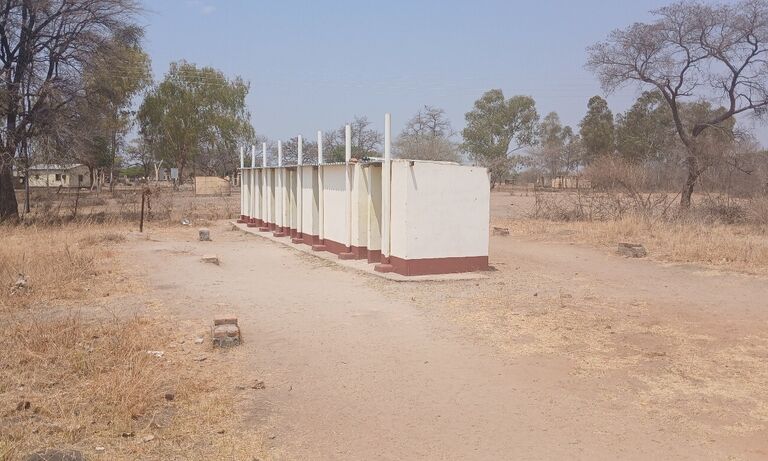
The change has been profound. Thanks to Buhle’s persistent and strategic advocacy, Fatima High School is now constructing new, gender‑separated, hygienic toilet blocks. These facilities will directly benefit more than 700 students, creating a safer and more dignified learning environment.
For girls, this is transformative. Access to clean, private sanitation removes a key barrier to school attendance, directly contributing to gender equality in education. Improved hygiene also enhances concentration, confidence, and wellbeing for all learners.
Beyond the bricks and mortar, Buhle’s leadership has shifted community attitudes. Local leaders now recognise the Child Council as an important partner in development, consulting it regularly on issues affecting children. The voices of young people, once peripheral, are now recorded in meeting minutes and integrated into community planning.
This growing respect for youth participation has sparked a surge in civic engagement. Children and adolescents in Ward 21 increasingly see themselves as agents of change, inspired by Buhle’s example and encouraged by the recognition of their contributions.
How the Change Came About
The situation before Buhle’s intervention was dire. The school’s old toilets were dilapidated, unsafe, and lacked privacy. Embarrassment and fear pushed many students — mostly girls — to skip school during critical times of the month. Yet despite the obvious need, the issue remained unaddressed.
Buhle began by engaging the very people most affected: her fellow students. She organised peaceful meetings, gathered testimonies, and conducted a survey documenting the severity of the crisis. These findings became powerful evidence — clear, factual, and impossible to ignore.
Armed with data and the mandate of Child Councillor, Buhle presented the case to the Ward Development Committee and the School Development Committee. She linked poor sanitation directly to absenteeism, girls’ rights, and the broader goal of community development. Her advocacy was articulate, evidence‑based, and deeply rooted in lived experience.
Crucially, Buhle facilitated dialogue among students, parents, teachers, and local leaders. Her persistence ensured that sanitation stayed at the top of the community’s agenda. As a result, funds were allocated, resources mobilised, and construction began.
The change is visible to anyone walking through the school grounds. But it is also reflected in documentation: recorded meetings now cite the Child Council’s submissions, and leaders publicly acknowledge the youth’s contributions. Ward 21 has moved from silence and neglect to active participation and visible progress.
Sustaining and Scaling the Transformation
The impact of Buhle’s work will not end with the new toilet blocks. Sustainability is built into the systems she helped strengthen.
The School Development Committee has adopted a maintenance plan funded by a small, community‑supported levy. This ensures the facilities remain safe and hygienic for years to come. Additionally, the local government has formally recognised the role of the Child Councillor, ensuring that youth representation in governance will continue beyond Buhle’s term.
To scale this success, Buhle and her peers plan to establish Youth Action Committees across Silobela District. Their model of evidence‑driven advocacy, community dialogue, and collaborative engagement is already gaining attention. They have been invited to share their experience at a district youth forum, inspiring others to adopt similar approaches.
Their achievements have also opened pathways to address other pressing needs, including after‑school tutoring initiatives and creating safe spaces for girls. The foundation for ongoing change lies in the empowered mindset of the youth — they now understand that their voices matter and that organised action produces tangible results.
This is more than a sanitation project. It is a blueprint for youth‑led development across rural Zimbabwe.
Evidence of the Change
The transformation is documented through multiple, credible sources:
- A formal petition and survey conducted by Buhle capturing student testimonies and absenteeism data, now showing improvement.
- Minutes from Ward Development Committee meetings citing Buhle’s presentation as the catalyst for action.
- An approved council budget allocation confirming financial commitment to the toilet project.
- Pre‑ and post‑intervention attendance records, especially for girls, showing a positive upward trend.
- Local community newsletter articles highlighting Buhle’s leadership and the youth–council partnership.
- Testimonials from the school principal, parents, and local leaders validating the impact and youth involvement.
- Photographs of the newly constructed toilets, including plans for future expansion.
A Generation Rising
Buhle Moyo’s leadership has ignited a new chapter for Ward 21 — one where young people are respected contributors, where girls can learn with dignity, and where community development includes every voice. Her story is a testament to what becomes possible when youth are empowered, organised, and listened to.
With courage and determination, one young leader has turned sanitation into a symbol of human rights, gender equality, and community transformation. And by doing so, she has shown that the future of Silobela is already in capable hands.
By: Buhle Moyo
Comments
Related Drivers Of Change