South Africa: Gender-Based Violence and Mental Health

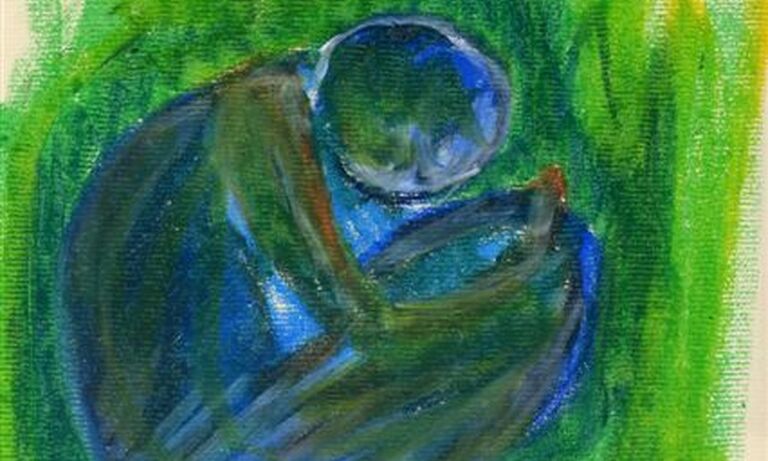
“I was always afraid of being around many people; my mental health was beyond my strength.” These words from Anelisa Mcaleni, a 26-year-old woman from Harare in Khayelitsha, capture the silent struggle of countless women living in marginalised communities. Her journey is one of pain, resilience, and transformation. A story that underscores the urgent need to address gender-based violence (GBV) and mental health together.
A Call for Help
The Great People of South Africa (TGPSA) first encountered Anelisa in May 2021 when her aunt reached out to report a case of sexual violence. The victim was Anelisa’s 16-year-old cousin, brutally attacked by a family member. Despite reporting the case to the South African Police Service (SAPS), the family received no response. It was only after attending TGPSA’s outreach programmes on GBVF that her aunt learned where to turn for help.
This was not the first time violence had touched Anelisa’s life. Quiet and reserved, she grew up in rural Mthatha with her religious grandparents after losing her mother at the age of four. Her childhood was stable until 2012. On 3 January that year, her world shattered when her grandfather, a man she trusted and a church pastor, raped her.
“I was very scared. I didn’t know what to do. I cried, but only tears came out, no sound. No one believed me because he was a pastor. It was only when my brother, who was always drunk, listened to me that I was taken to hospital,” Anelisa recalls.
Battling Depression and Isolation
The trauma left deep scars. Anelisa spiralled into depression, plagued by feelings of rejection and hopelessness. Growing up in a community marked by violence, patriarchy, and lack of access to basic services only compounded her pain. For years, she lived in silence, battling suicidal thoughts.
“I felt unloved and rejected. From 2012 until the day I met The Great People of South Africa, I was in a dark hole. This organisation made me feel human again. They taught me how to care for others, how to love myself, and how to carry myself with dignity,” she says.
Turning Pain into Purpose
Anelisa’s turning point came when she applied for TGPSA’s Paralegal Training for young women. She attended every session and emerged as a top achiever. Through the programme, she learned how to handle GBVF-related cases with confidence, provide trauma counselling, and assist victims in applying for protection orders.
“I was afraid I would fail victims, just like the system failed me. But now I know how to stay calm, what questions to ask, and how to make victims feel safe. I am proud of myself,” Anelisa shares.
Her success was supported by TGPSA’s Senior Paralegal Advisor, Athandile Cutshwa, who ensured that Anelisa’s mental and emotional wellbeing remained a priority throughout her training. This holistic approach helped Anelisa rebuild her confidence and find her voice.
A Driver of Change
Today, Anelisa is more than a survivor. She is a driver of change. She uses her skills to support victims of GBVF in her community, proving that resilience and empowerment can break cycles of violence. Her story is a beacon of hope for young women who feel trapped in silence.
“The Great People of South Africa needs to be everywhere in the world. There are people out there in dark holes, lost and hopeless, thinking suicide is the only solution. I was one of them. But here I am, looking forward to a good life and helping those in need,” Anelisa says.
Why This Story Matters
Anelisa’s journey highlights the intersection of GBV and mental health. A reality often overlooked. It shows the transformative power of community-based organisations and the importance of holistic support that addresses both trauma and empowerment.
Through partnerships like WVLSA and programmes like TGPSA’s Paralegal Training, women like Anelisa are reclaiming their lives and driving change in their communities. Her story is a call to action: to invest in mental health, strengthen justice systems, and create safe spaces where survivors can heal and lead.
By: Anelisa Mcaleni
Comments
Related Drivers Of Change