Botswana: Young Leader Advancing LGBTIQ+ Rights Through Strategic Advocacy and Community Power

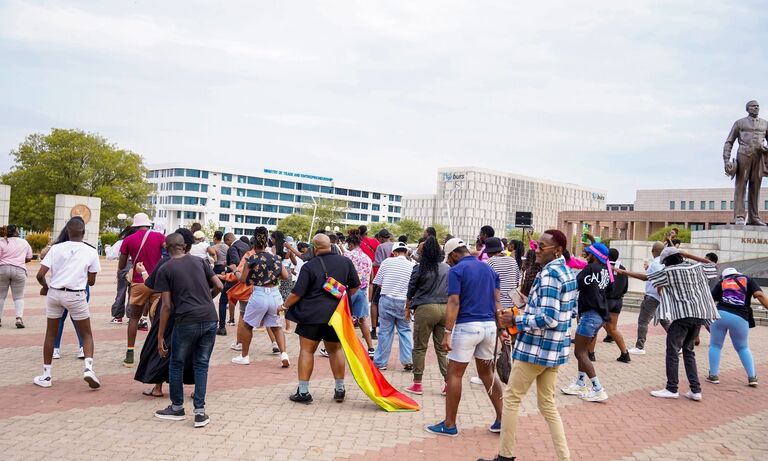
This story highlights a young activist in Botswana whose evidence-led advocacy is breaking health-related barriers for LGBTIQ+ communities, ensuring safer, dignified and inclusive healthcare for all.
Kagisho Ramokwakwa is a youth leader and human rights advocate advancing LGBTIQ+ rights in Botswana by addressing the systemic health barriers experienced by sexual and gender-diverse people. Through Friends of Diversity (FOD), he leads monitoring and evaluation work that documents lived experiences, identifies service gaps and translates community evidence into targeted advocacy.
Before these efforts, discrimination, misgendering, and breaches of confidentiality in healthcare facilities were largely undocumented and untreated as systemic issues. Young LGBTIQ+ persons avoided care due to stigma, mistrust and lack of provider awareness. With no reporting mechanisms and limited civil society engagement, inequalities persisted without visibility in policies or programming.
Kagisho introduced a structured, evidence-driven model combining data collection, participatory mapping, advocacy, and engagement with health systems. Working with LGBTIQ+ youth, he led surveys, interviews and digital storytelling that captured real experiences of stigma and unsafe encounters. In collaboration with BONELA and LEGABIBO, he helped create a safe/unsafe healthcare facility map to help youth navigate services safely while encouraging institutional accountability.
Community dialogues and workshops brought together young people, activists, and healthcare providers to share strategies, identify needs and build collective advocacy. Digital modules and in‑person training sessions supported providers in adopting inclusive practices, increasing awareness of confidentiality, respectful care and gender‑affirming approaches.
His work contributed to improved service delivery, increased provider understanding and greater recognition of LGBTIQ+ health needs. Youth now have clearer pathways to safe care and more confidence when accessing services. Evidence-driven advocacy reports have strengthened engagements with policymakers, shifting discussions from isolated incidents to systemic reform.
At regional level, his work aligns with the SADC Gender Protocol and contributes to cross‑border learning. Training participation records, testimonies, maps and advocacy materials show growing momentum toward responsive and equitable healthcare.
Sustainability is driven by community-owned monitoring and evaluation, ongoing training and institutional partnerships. By embedding evidence generation into advocacy, FOD continues strengthening accountability and ensuring long‑term visibility of LGBTIQ+ health concerns.
Qoutes
Resego Joseph; For the first time, I walked into a clinic without feeling like I had to hide who I am. Knowing which facilities are safe and that healthcare workers are being trained to respect us has changed how I take care of my health.
KB (Pseudonym); I used to avoid public health facilities because I feared being judged. Now I walk in knowing I will be treated with dignity and I know where to report if my rights are violated.