Namibia: From 60,000 Signatures to Draft Abortion Law Reform

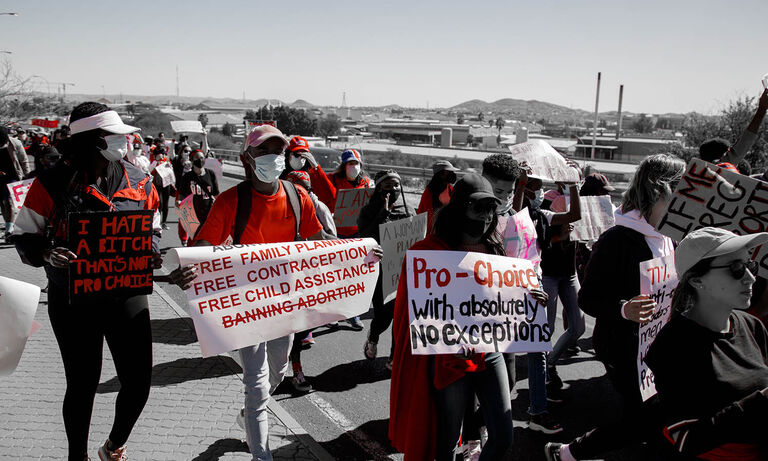
Namibia’s Abortion and Sterilisation Act of 1975 has long restricted abortion access to extremely narrow grounds. In practice, bureaucratic barriers, stigma, facility shortages and provider refusal make even legal abortions nearly inaccessible. This has fuelled widespread unsafe abortions, contributing to an estimated 12–16% of maternal deaths and thousands of annual complications. Poor, rural and marginalised women—including LGBTQIA+ groups—carry the heaviest burden.
The VCRC Health and Research Institute was founded in 2020, following a national petition of more than 60,000 signatures demanding legal reform and safer reproductive health services. Over the years, VCRC built a nationwide network of more than 500 community mobilisers and facilitated dialogues across at least six regions, reaching more than 2,000 people with SRHR education. These engagements centred lived experience, reproductive justice and rights-based approaches.
The change accelerated through a powerful combination of research, mobilisation and digital storytelling. VCRC produced four major research papers between 2021 and 2023—covering legal analysis, medical impacts of unsafe abortion, socio-cultural barriers and an economic review. These papers were presented to Parliament’s Standing Committee and referenced by lawmakers and the Ministry of Health and Social Services.
In parallel, VCRC’s in‑house digital studio produced 13 multimedia pieces amplifying LGBTQIA+ voices and promoting inclusive SRHR narratives. Public awareness grew through events and the Annual Feminist Festival, which hosted more than 300 participants each year. International engagements, such as participation in the SheDecides 2022 Conference in Belgium, further elevated visibility.
By working collaboratively with the Ministry of Health and Social Services, VCRC contributed to the development of a draft policy recommending reform in 2025. Although the draft has not yet progressed to Parliament, it marks the first formal movement toward legal change in decades. Faced with legislative delays, VCRC will lead a constitutional challenge in 2026, arguing that the 1975 law violates constitutional rights to dignity, life, equality, health and privacy. This litigation represents a pivotal next step in securing safe, legal abortion access for all.
The change is deeply significant: grassroots networks are stronger, public awareness has expanded, and SRHR narratives now include marginalised groups previously excluded. Communities are better informed, stigma is reduced, and policymakers now engage with evidence instead of silence. The movement has shifted Namibia from stagnation to serious, rights-based consideration of abortion law reform.
Sustaining this change requires continued community mobilisation, dissemination of research findings, expansion of grassroots networks and ongoing collaboration with frontline partners. Digital storytelling and public events will maintain visibility, while litigation and policy advocacy will push for structural reform. The model is rooted in resilience, inclusion and evidence—and is poised to shape long-term reproductive justice in Namibia.
Quotes
Ndiilokelwa Nthengwe: We want a new bill that not only prioritizes abortions but also provides access to comprehensive sexual health education.
Ben Nangombe: The current legislation on abortion is outdated and needs to be reviewed.
Hage G. Geingob: People are dying because they have to go to dark corners. Whether it is legal or not, people are doing it.
Comments
Related Stories Of Change