Dismantling Silence around Disability, Rights, and Reproductive Justice in Nigeria

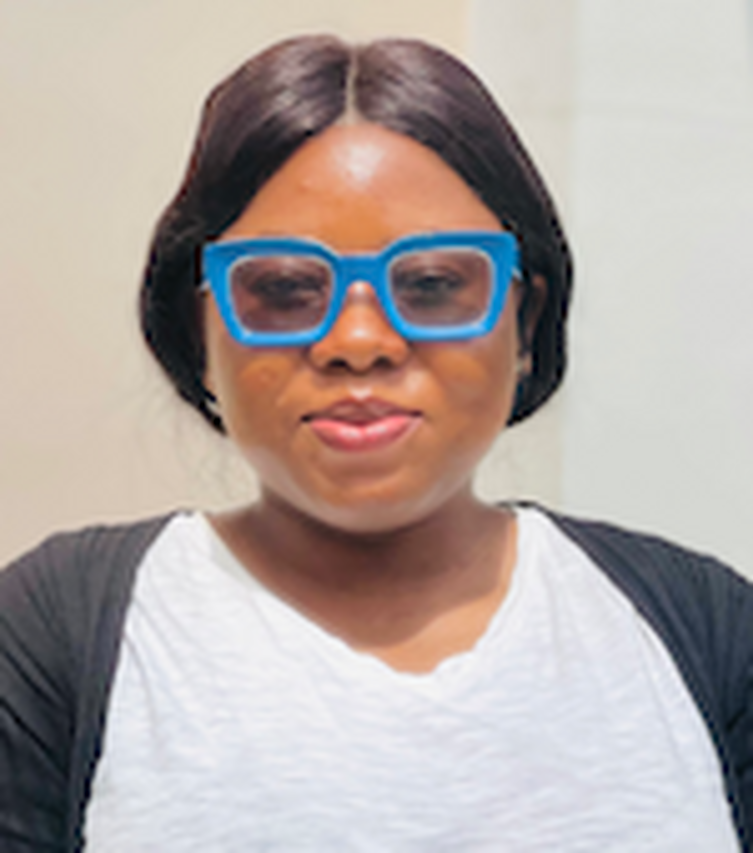
Jennifer Abomnger – Nigeria
In many communities across Nigeria, the rights of women with disabilities are buried beneath layers of stigma, silence, and systemic neglect. As a WOSSO Fellow, I set out to change that. My journey began by listening, not assuming.
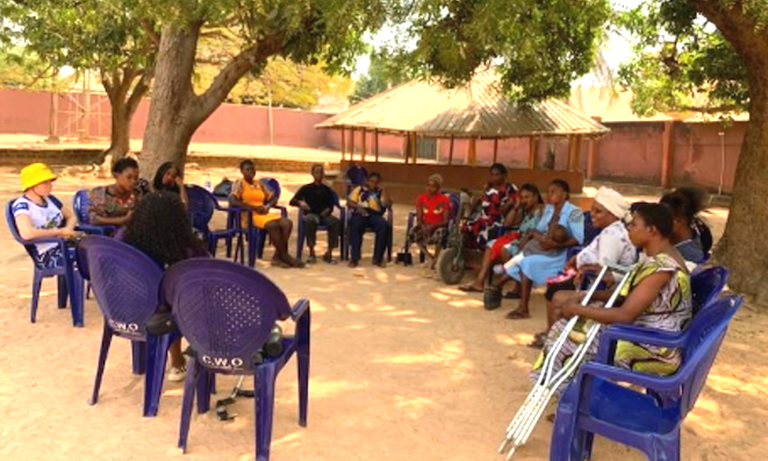
I convened a focus group with 20 women with disabilities and their caregivers to understand the barriers they face in accessing sexual and reproductive health and rights services.
What I uncovered was harrowing. One young woman with a disability shared her failed attempt to access a safe abortion. Despite being an adult, the hospital refused to provide care unless she brought someone to sign on her behalf. Her autonomy, her bodily rights, were stripped away, not just by discriminatory laws, but by a healthcare system that views disability through a lens of incapacity.
Yet, something powerful happened in that moment. In our newly formed safe space, she felt seen. She felt safe enough to speak her truth, something she had never done before. That moment confirmed that my advocacy was not only necessary, but urgent.
Beyond community engagement, I carried this mission to regional platformss. At the African Women in Dialogue (AfWID) Conference, I spoke publicly for the first time about the exclusion women with disabilities face in health systems, policy spaces, and society. That experience gave me visibility and validation. I was no longer just a community advocate; I had become a regional voice for disability inclusion.
My advocacy extended to strategic partnerships. I led an advocacy visit to the British High Commission in Nigeria, building international awareness of the intersectional barriers faced by women with disabilities. Each engagement, whether local or regional, became a stepping stone to greater impact.
WOSSO’s learning and sharing spaces helped me think differently. I learned from other Fellows how to use digital platforms more effectively something I now plan to integrate into my work, especially because many women I serve live far from urban centres.
Through this fellowship, I’ve grown in more ways than I imagined. I’ve developed the confidence to speak in high-level spaces, the courage to ask difficult questions, and the conviction to keep creating spaces where women with disabilities can lead, not just survive.
My story is one of transformation from invisibility to influence, from fear to voice. And it is only just beginning.