Building Safe Spaces for West Papuan Women Through Feminist Writing

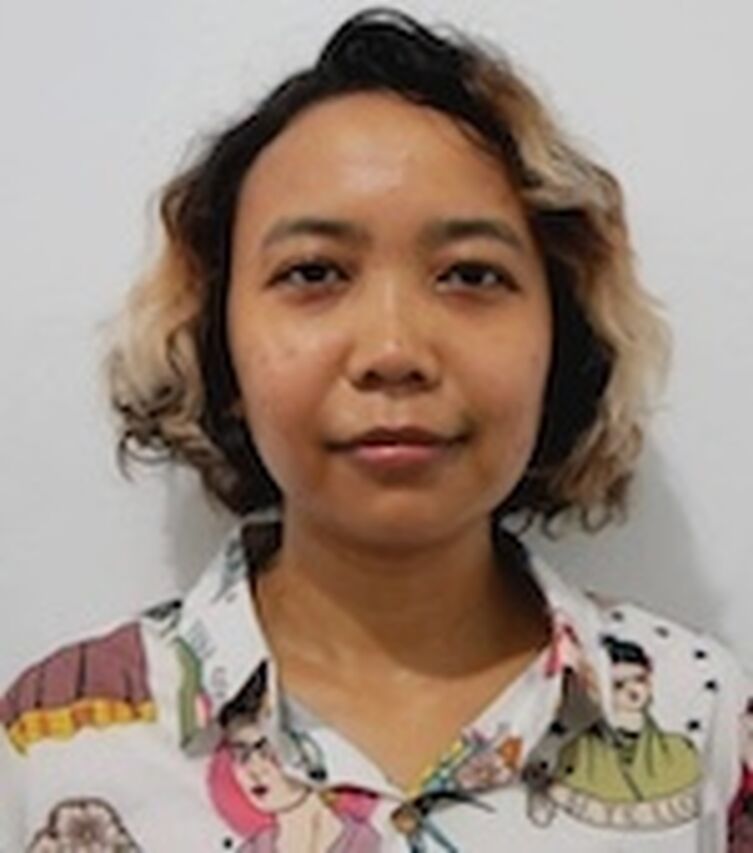
In the politically volatile and often marginalising context of West Papua, where the voices of indigenous women are routinely silenced and spaces for civil activism are shrinking, Stephanie Narriswari emerged as a beacon of resilience and quiet revolution. As a WOSSO Fellow, Stephanie transformed her passion for storytelling and reproductive justice into a platform for empowering young women and building solidarity across diverse identities.
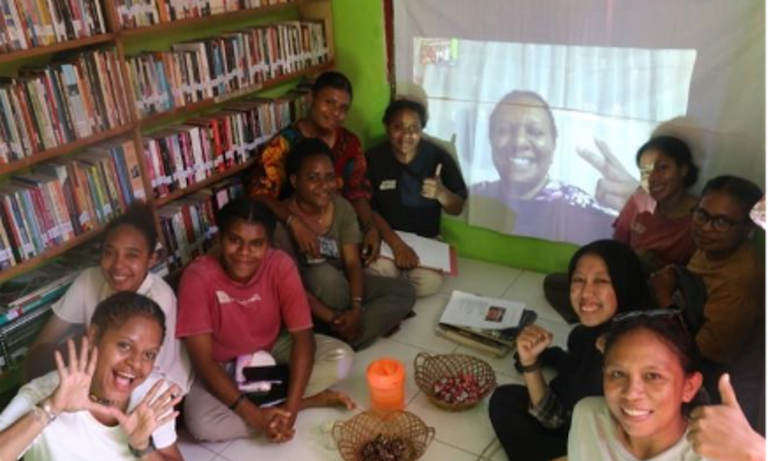
Her advocacy centred on creating a feminist writing workshop that ran from 27 to 30 November 2024 in Jayapura. Originally designed for seven participants, the workshop grew to accommodate nine, due to overwhelming interest. The applicants mostly college students, were selected for their enthusiasm and commitment to telling untold stories, despite the personal and logistical challenges they faced, such as academic conflicts and transport barriers. Stephanie and her team went the extra mile to ensure inclusivity, offering private tutoring and peer learning opportunities for those who joined late.
This was not just a training programme. It became a transformative safe space the only one of its kind in the region, for young West Papuan women, girls, and trans women to explore gender justice, climate concerns, and anti-racism through the lens of lived experience and collective reflection. Participants began to voice the layered oppressions they faced: as women, as Papuans, and as members of under-resourced communities in both highland and coastal areas. For many, this was their first time engaging with feminism, let alone being given the tools to write and advocate publicly.
Stephanie’s workshop was made possible through a powerful collaboration between four local organisations with expertise in SRHR, human rights monitoring, environmental justice, and democracy. This inter-organisational support was essential in navigating the tight civic space in Papua, and in rooting the workshop in the lived realities of the communities involved.
Beyond the workshop, Stephanie leveraged her WOSSO experience to attend key regional convenings such as the Beijing+30 CSO Forum and Young Feminist Forum. These experiences allowed her to see the gaps between official government narratives and grassroots realities, particularly in Indonesia’s gender equality reporting. They also gave her exposure to other menstrual health and SRHR advocates, strengthening her network and advocacy capacity.
The most profound shift, however, occurred within Stephanie herself. The WOSSO Fellowship challenged her to move beyond individual-level change and begin thinking about national-level policy influence. Though initially hesitant to engage with government structures due to longstanding distrust, she recognised the necessity of understanding legal frameworks and building relationships with policymakers to amplify the voices of West Papuan women.
Stephanie’s story is a powerful example of what happens when feminist leadership is nurtured in overlooked regions. She didn’t just teach others to write their stories, she helped them reclaim their dignity and collective voice. Through courage, collaboration, and critical reflection, she has planted seeds for a future where West Papuan women are no longer written out of history, but are the ones writing it.