
Herstory

2001
Registered in Johannesburg, South Africa, on 17 March 2001, Gender Links began its work with a strong focus on “promoting gender equality in and through the media”, operating from the backyard of its founder’s home.
2002
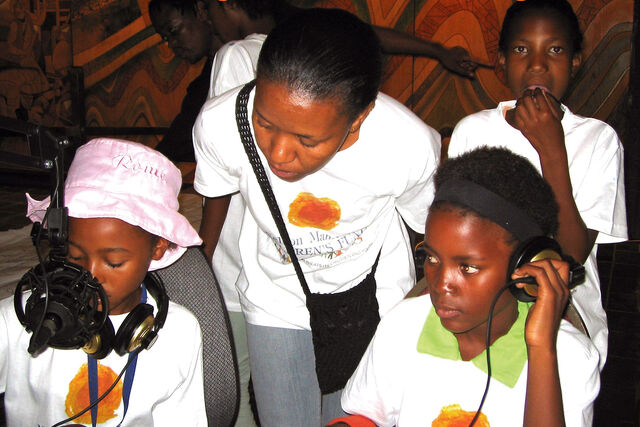
We partnered with the Media Institute of Southern Africa to undertake the first-ever gender and media baseline study, soon after the 10th anniversary of the Windhoek Declaration on media freedom. GL pioneered work on gender and media literacy to educate the public.
2003
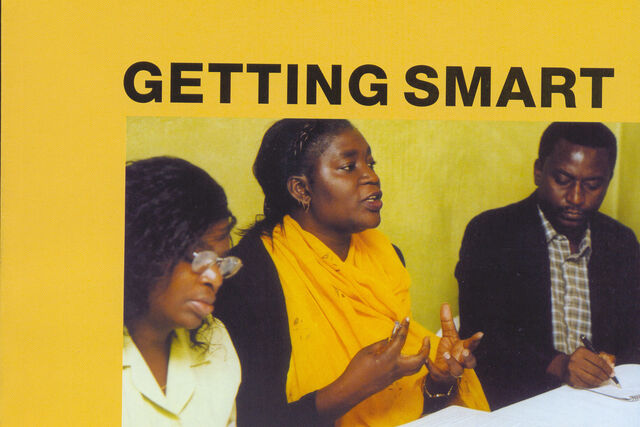
In its short two-year existence, Gender Links ran 39 workshops, involving 600 participants in 12 countries (34% men). Our toolkits grew and were used extensively across the region.
2004
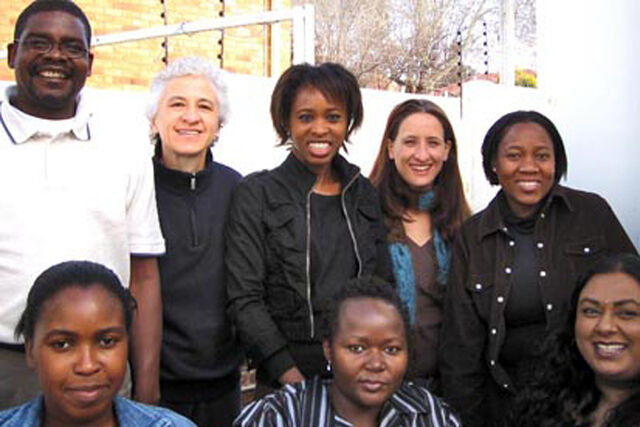
This year marked the 10-year celebration of democracy in South Africa, which GL and its partners enthusiastically participated in. Amalungelo voiced the challenges of South African women seeking to give meaning to the Constitution.
2005
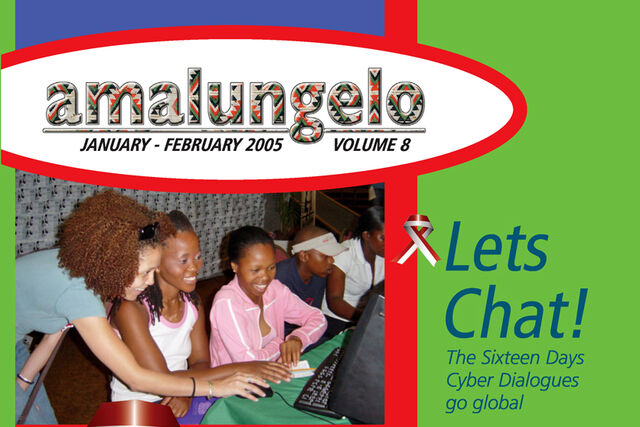
Now at new offices in Bruma Lake, our neighbours, assuming we were a dating agency, arrived with a business proposition – which we did not enter into … but it goes to show that we are an NGO open to joint ventures of all kinds!
2006
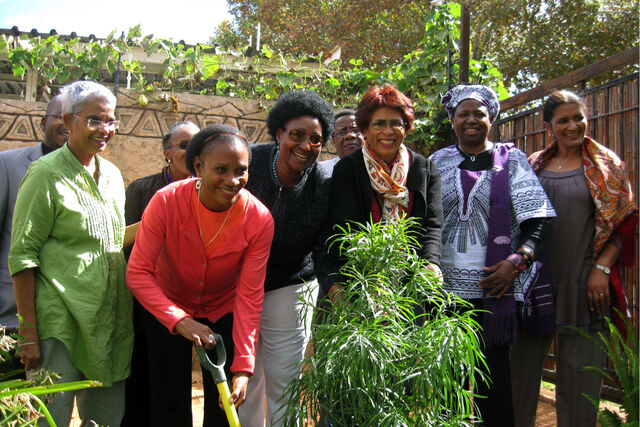
It is not likely we will ever again experience working from the backyard of our executive director’s home when moving to our new premises in Cyrildene, Johannesburg, with 12 staff, all in five years. Our board members planted a tree to mark the occasion.
2007
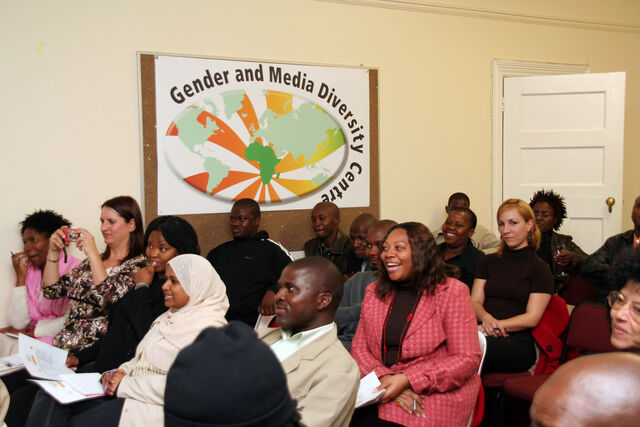
“A small organisation with large footprints” ... GL was credited with creating a gender and media movement in Southern Africa – no mean achievement in its short six years of our existence! The Gender and Media Diversity Centre was born.
2008
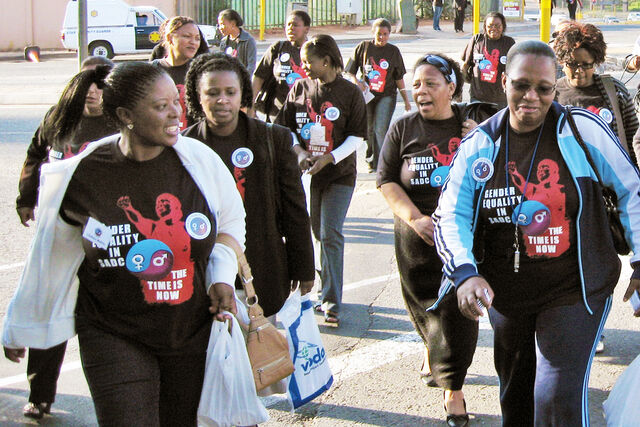
GL’s focus on gender and the media grew into a campaign for the adoption of the SADC Protocol on Gender and Development. No longer a small NGO, in addition to Johannesburg, we opened offices in Mauritius and Botswana, with a staff complement of 26.
2009
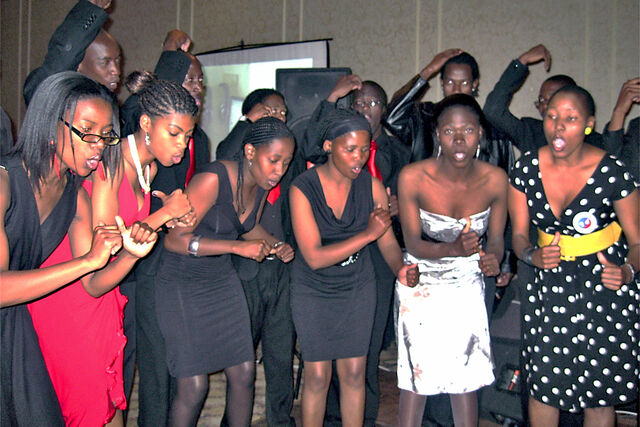
Exceptional growth saw our staff increase by 53% (26 to 40) and our presence expand to nine SADC countries – our head office was in South Africa, with satellite offices in Mauritius and Botswana, and six project sites in Lesotho, Madagascar, Namibia, Swaziland, Zambia and Zimbabwe.
2010
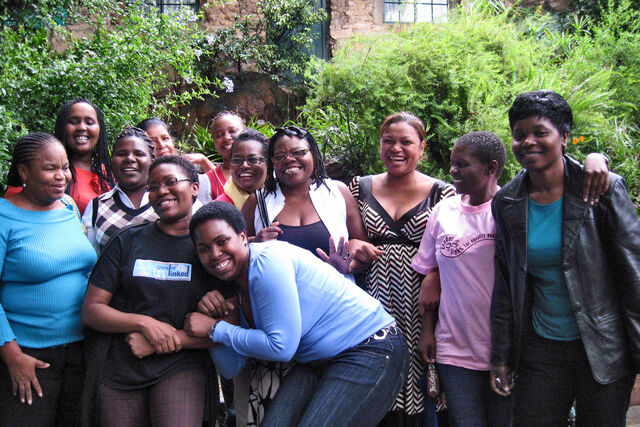
GL succeeded in registering 10 country offices and grew its funding base, securing its position for at least the next two years. This was topped off with the first rebrand of our logo.
2011
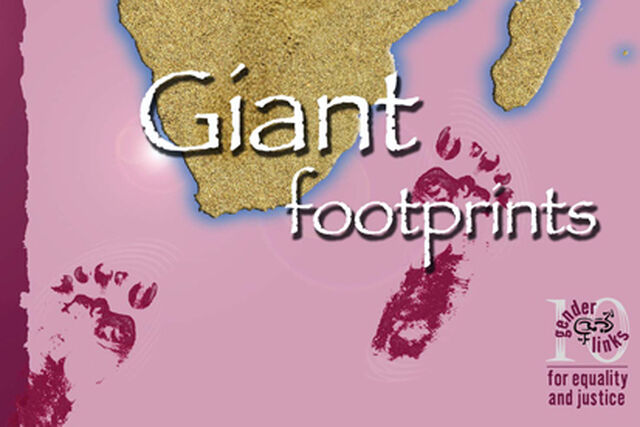
GL celebrated its 10th anniversary by opening the lusophone office of Gender Links in Maputo. The celebrations extended to the Gender Justice and Local Government Summit in South Africa.
2012
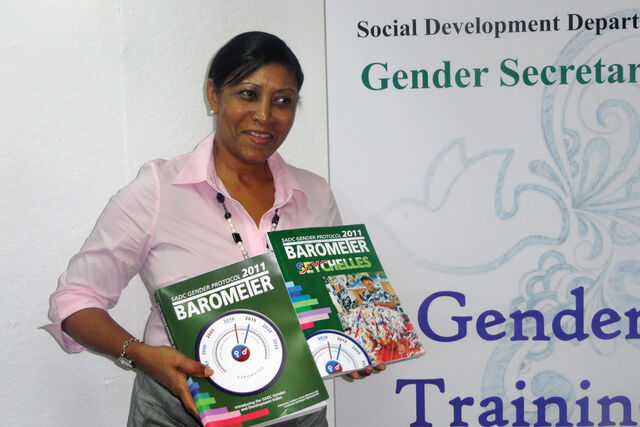
GL expanded from an almost lone voice into a veritable multi-linked, alliance-driving and -driven entity engaging the United Nations at global forums. This is the living embodiment of the possibilities that can flow from going against the entrapping negating force of the normative “non” in non-governmental organisation.
2013
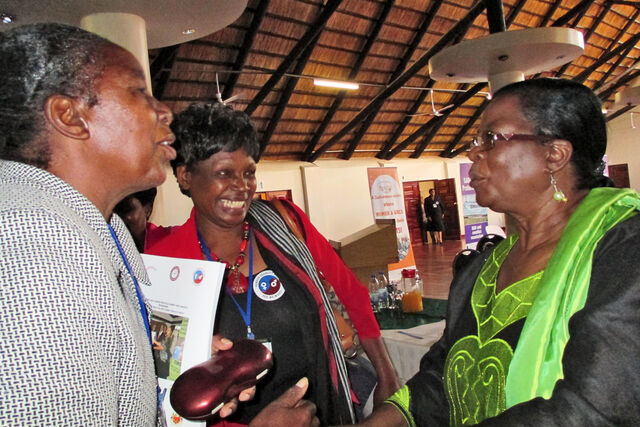
Fifty-eight staff and 12 board members laboured long and hard, delivering 12 country summits and a regional summit under the banner, “2015: Yes, we must! The SADC Gender Protocol @ Work!”. This was one of the largest participative research and evidence-gathering exercises ever undertaken.
2014
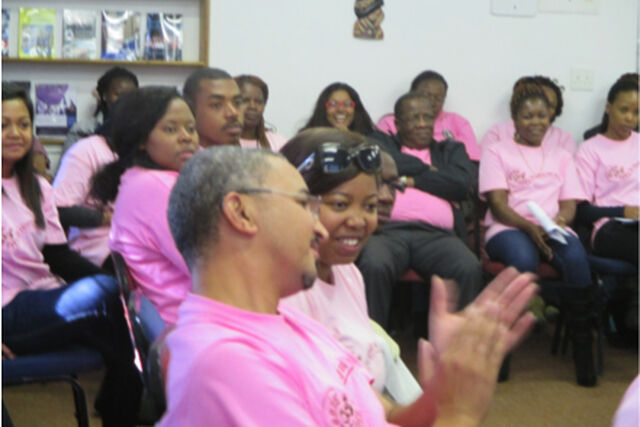
2014 saw GL revving up on many fronts. We stayed ahead of the game with cutting-edge work on the post-2015 agenda – five elections, 15 district-level summits, 13 national summits and a regional summit attended by over 400 women and men.
2015
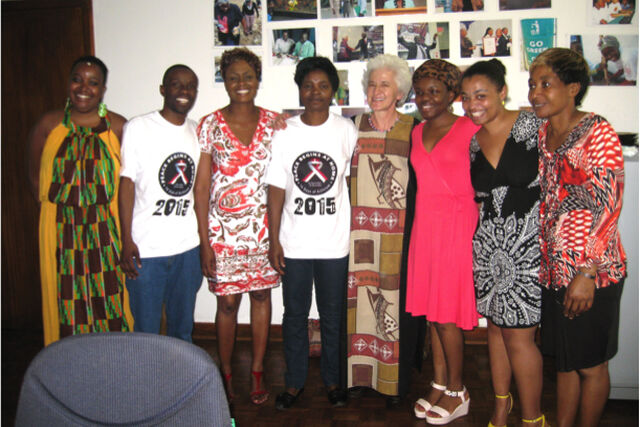
We faced a major funding crisis at the end of the year, which left Gender Links reeling. We were reminded that tough times do not last; tough people do. Our country offices, notably the Zimbabwe office, took root.
2016
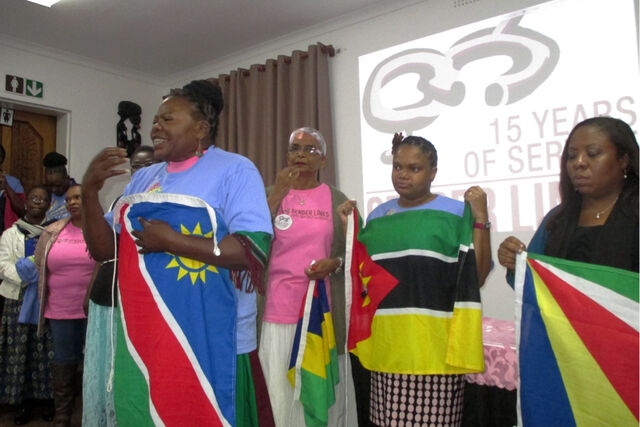
2016 will be remembered at Gender Links as the first year of the post-2015 agenda and also a year of major realignment for us. When drought hits, hardy plants do not just wilt and die; their roots dig deeper – just as we are called on to go back to our core values.
2017
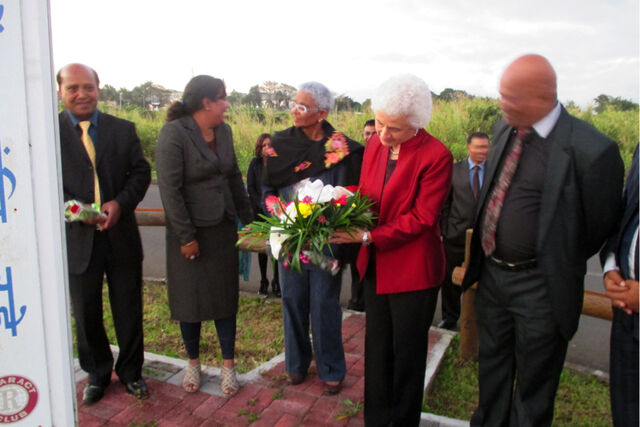
The board, CEO and staff kept the faith despite tremendous odds. While our physical presence diminished, our online presence increased. Our partnerships strengthened. Our country offices found new ways of fundraising. Our income-generating units accounted for one-third of our revenue and provided crucial bridging finance. In Mauritius, we laid a wreath for peace.
2018
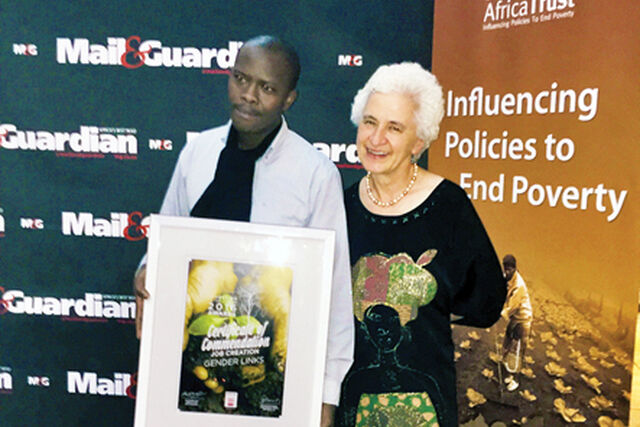
A year of recovery, growth and hope. We counted our blessings that the bitter funding winter of 2017 began to thaw – proving that when partners work well together, the whole is greater than the sum of the parts.
2019
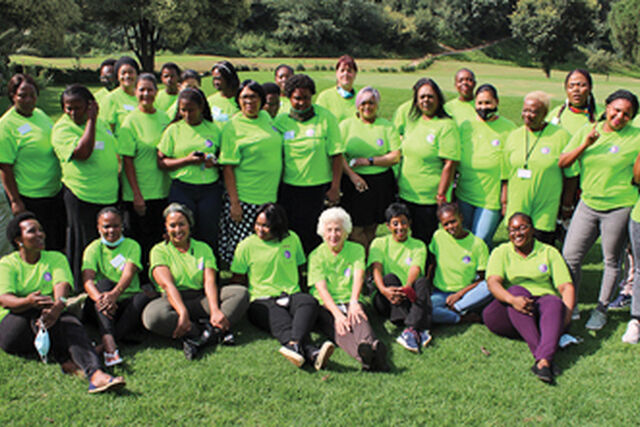
GL Services managed the Women Voice and Leadership South Africa grants portfolio for Global Affairs Canada, hosting 10 #VoiceandChoice summits that attracted over 800 best practices.
2020
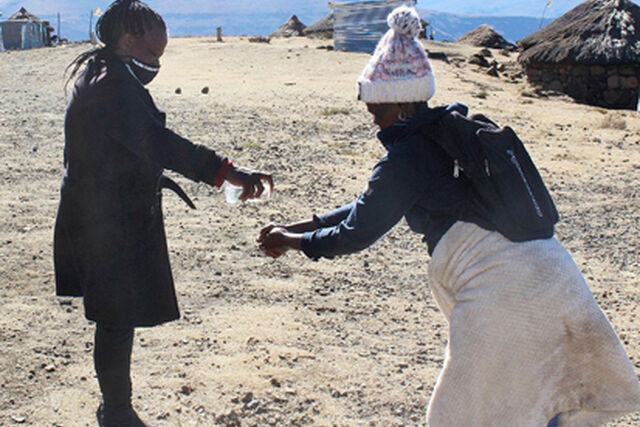
GL once more demonstrated its resilience and potential to adapt during a year when the world was in lockdown for almost nine months. We consider ourselves fortunate to have persevered under challenging conditions in 2020.
2021
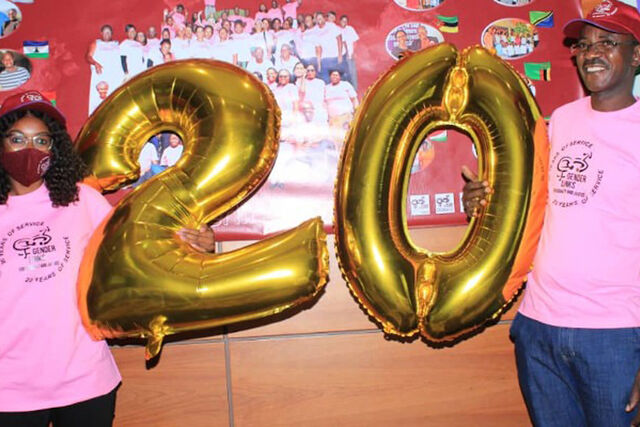
GL turns 20! Our “bird with two wings” (non-profit wing and income-generating wing) took off in 2021 with the official inauguration of the GL Sustainability Hub. GL’s founding CEO stepped down to become special adviser – long a part of our succession planning. We survive, secure andstabilise, while making sure that we replenish, renew and regenerate.
2022
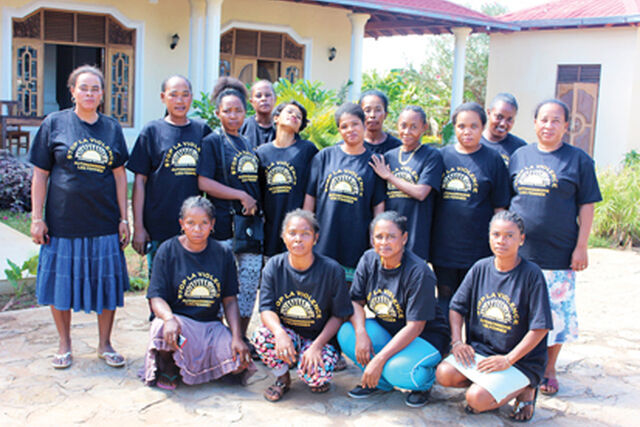
The Covid-19 pandemic and the war in Ukraine caused soaring fuel and food prices, while floods and natural disasters were fuelled by climate change. GL proved its inherent resilience by pivoting back to full action. We opened a new Grant-Making Unit (GMU) supporting over 100 grantees in the period.
2023
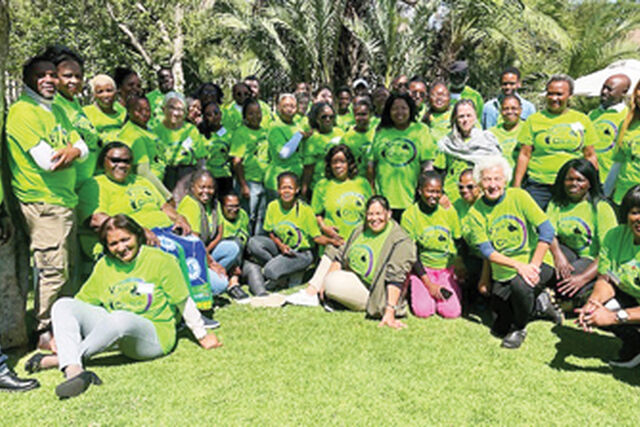
Due to shrinking funding, GL closed four country offices, leading to uncertainties and personal hardships for staff. On a positive note, the Zimbabwe and Mauritius offices were self-sustaining, the Botswana and Lesotho offices revived, and GL’s service units demonstrated growth and resilience.
2024
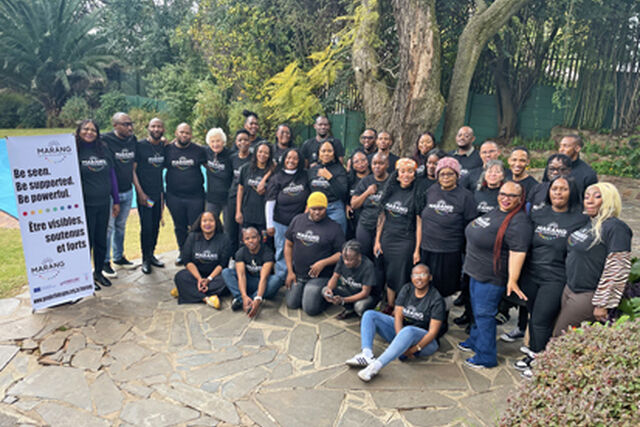
With a backlash swirling around us, GL vowed to push forward, adding the Marang Fund to its Grants Management Unit.
2025
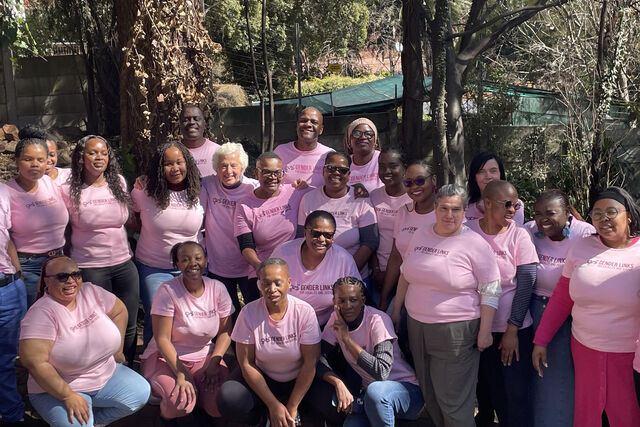
A significant milestone for GL is the registration of country boards in Zimbabwe, Mauritius and Madagascar. Without our funders and partners, we would not be who we are or where we are today. Thank you, merci, obrigada, siyabonga, mazvita, realeboga!
Customise Consent Preferences
This site uses cookies to help you navigate efficiently and perform certain functions. You will find detailed information about all cookies under each consent category below.
The cookies categorised as Necessary are stored on your browser as they are essential for enabling the basic functionalities of the site. We also use analytics cookies to understand how you use this website; you can switch these off below at any time. Marketing cookies are only stored in your browser with your prior consent.
Essential for the website to function. These cannot be disabled and do not store any personally identifiable data.
| Cookie | Duration | Description |
|---|---|---|
CRAFT_CSRF_TOKEN |
Session | Protects against cross-site request forgery attacks. |
PHPSESSID |
Session | Preserves your session state across page requests. |
flow_cookie_consent |
1 year | Remembers your cookie consent preferences. |
Help us understand how visitors use the site by collecting anonymised metrics — visitor count, bounce rate, and traffic source. You can switch these off here at any time.
| Cookie | Duration | Description |
|---|---|---|
_ga |
1 year 1 month | Google Analytics sets this to store and count page views. |
_ga_* |
1 year 1 month | Google Analytics uses this to persist session state. |
_gid |
24 hours | Stores and updates a unique value for each page visited. |
Used for targeted advertising. Only stored with your consent.